A Question I Get Asked a Lot
The debate between 28mm and 35mm for street photography is one of those conversations that never quite ends. Online it usually turns into a gear argument. On the street, in my experience, it feels like something more personal: two different ways of seeing, two different relationships with your subject, two different photographers you become depending on which one is on your camera.
I have shot extensively with both. The 35mm has been my default focal length for years, working the streets of Nice, the Côte d'Azur, Kolkata, and across Europe, on Leica M bodies mostly, but also on the Fujifilm X70, which has a fixed 28mm equivalent lens. The 28mm came more seriously into my practice with the Leica Q, and also with the Ricoh GR II and GR III, both of which shoot at 28mm equivalent. I took the Leica Q to Los Angeles, Las Vegas, San Diego and New York for my American Mirage series. What I found, and this is just my experience, is not that one focal length is better than the other. It is that they ask fundamentally different things of you.
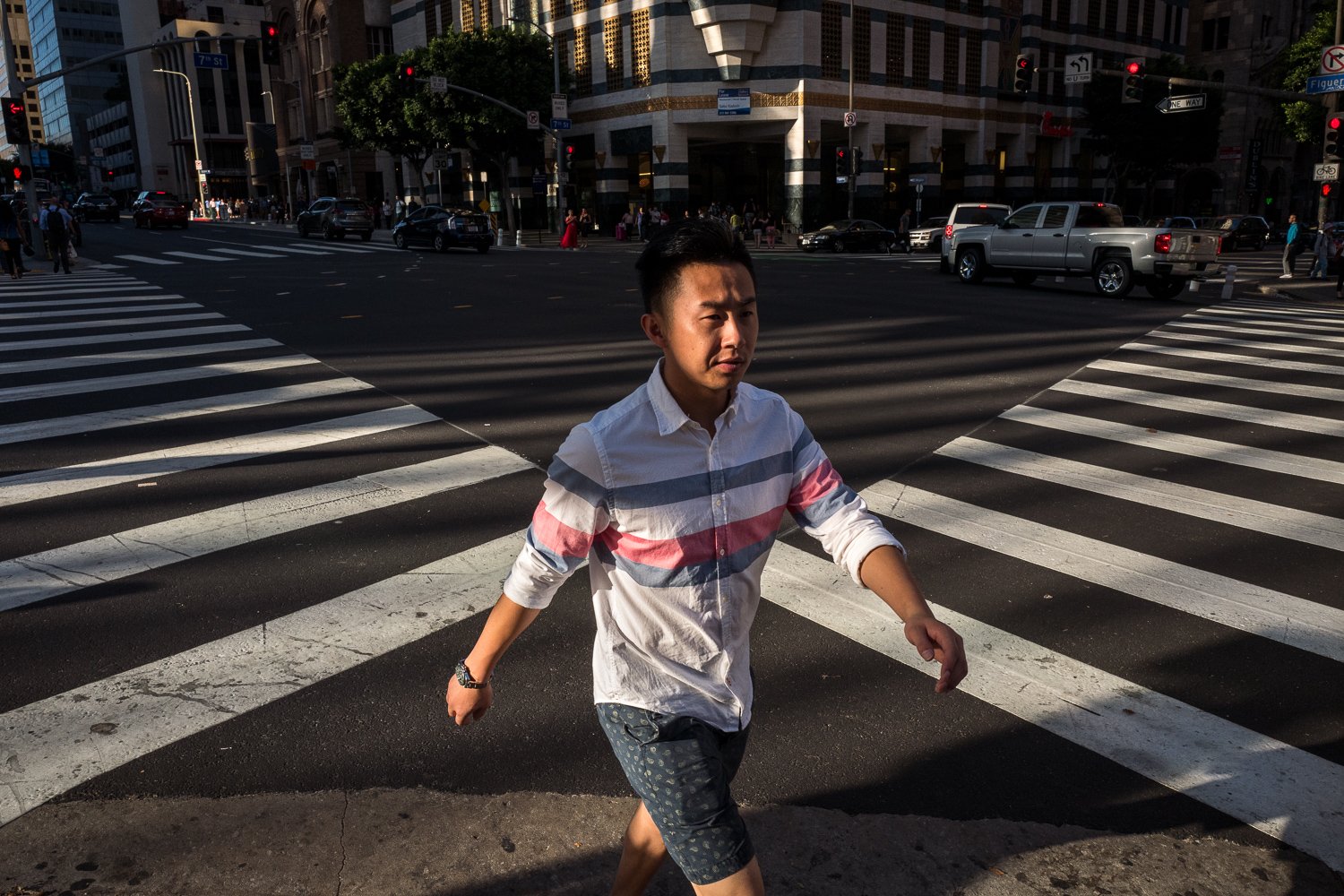
Los Angeles, 28mm photo with Leica Q
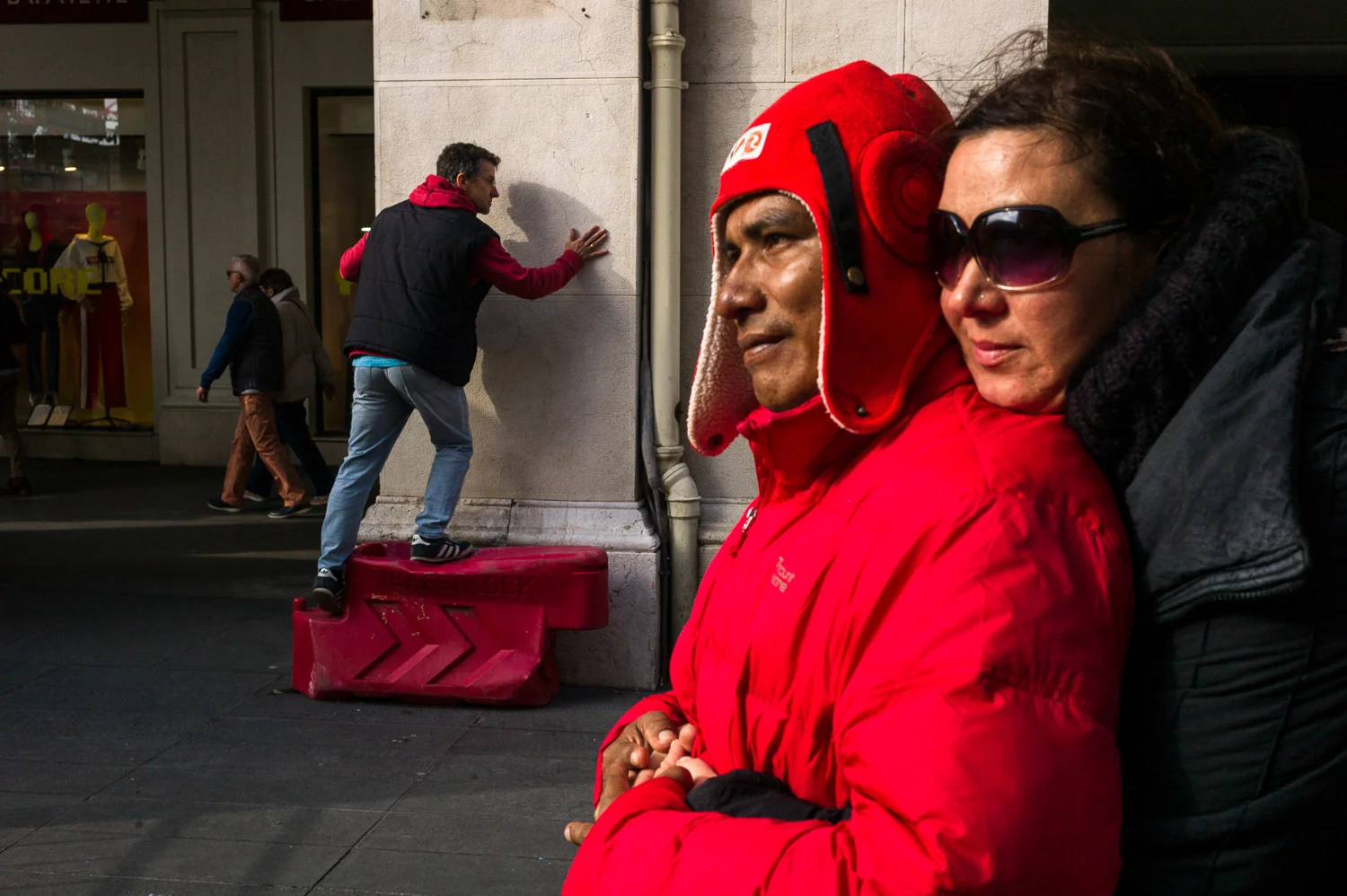
Nice, 35mm photo with Leica M9
What 28mm Does to My Street Photographs
To my eye, the 28mm is a dynamic lens. It stretches reality slightly, introduces a subtle distortion at the edges, and pulls the background into the frame in a way that gives images an energy a 35mm does not produce at the same shooting distance.
For me, that distortion is not a flaw. In the right image, it becomes a tool. A figure crossing a wide Los Angeles intersection photographed at 28mm carries a visual tension, a slight exaggeration of scale and perspective, that makes the scene feel more intense than it actually was. The city looms. The street expands. There is something almost cinematic in it.
The other thing I notice with 28mm is that it rewards commitment. To use it well in street photography, at least in my approach, you have to get close. Not moderately close, really close. Shot from a comfortable distance, the 28mm rarely gives me what I am looking for. But when I step in, when I am genuinely inside the scene rather than observing it from the edge, something clicks.
In crowded environments, India, markets, festivals, dense urban spaces, I find this becomes a real advantage. When the frame is already full of people and movement, the wide field of view and the slight distortion help rather than hurt. The chaos becomes part of the image rather than a problem to solve.
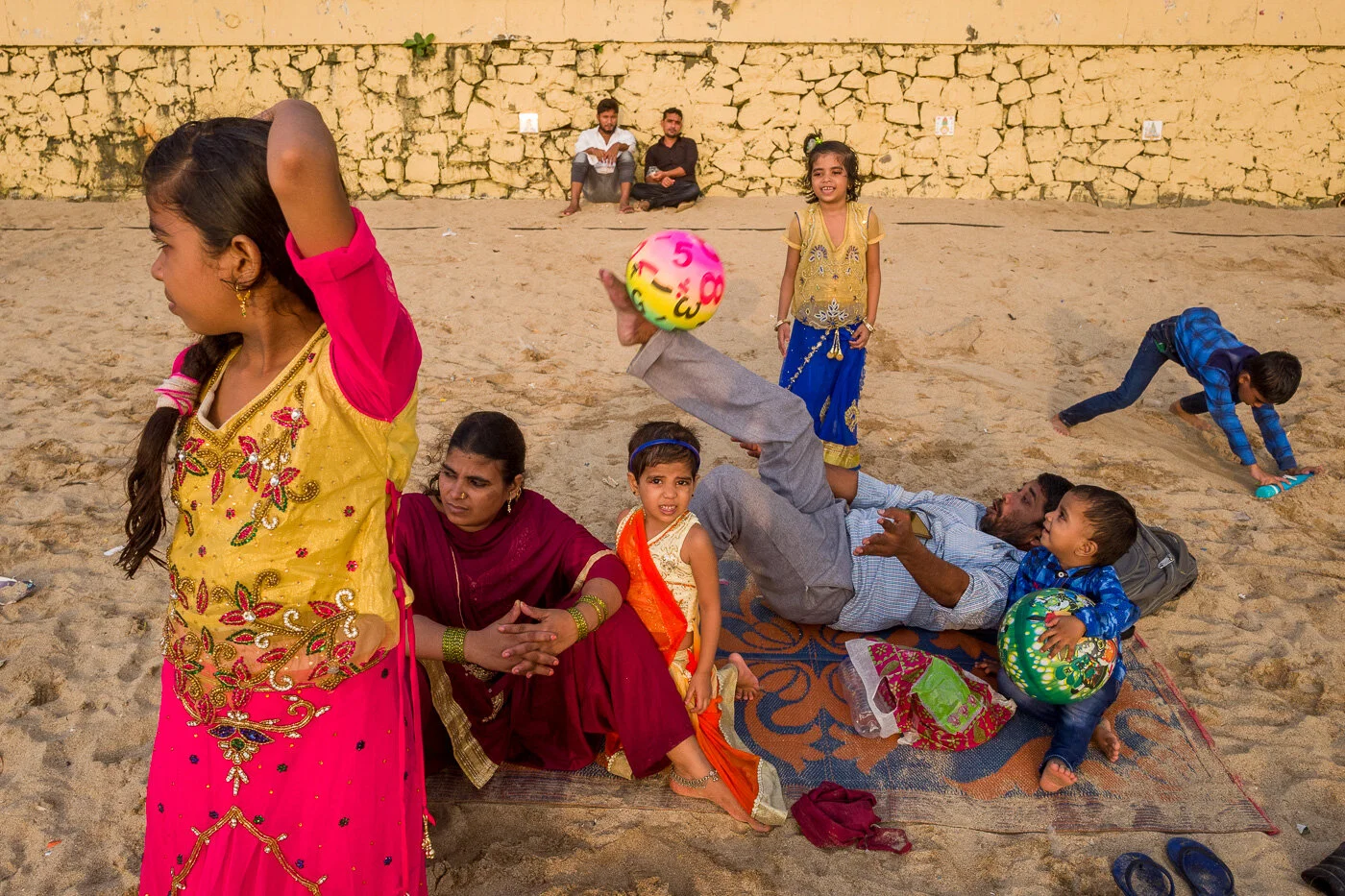
Mumbai, 28mm photo with the Leica Q
The Ricoh GR and Fujifilm X70: 28mm as a Philosophy
Something worth mentioning here: the 28mm focal length is not just a Leica thing. The Ricoh GR II and GR III are built around it, as is the Fujifilm X70. These cameras have entire communities of street photographers who swear by the 28mm equivalent precisely for the reasons I described above, the dynamism, the closeness, the instinctive shooting style it encourages.
I have shot with both. The Ricoh GR in particular is a fascinating camera for street photography. It is tiny, completely unassuming, fits in a pocket, and the 28mm lens is sharp in a way that still surprises me. Like with the Leica Q, I shoot it almost exclusively in manual focus on the street. With the GR I either pre-focus or use the snap focus mode, which sets a fixed distance and lets you shoot instantly without thinking about focus at all. It is one of the most liberating ways to work the street I have found. That said, the GR takes a little time to get used to. Its way of operating is specific, and it demands that you learn it on its own terms before it starts feeling natural.
The Fujifilm X70 I use differently. No snap mode here, but pre-focus and manual lens focus, which achieve the same result in practice. What I personally loved about the X70 is how easy it is to operate. The dedicated speed dial, the exposure compensation wheel, the overall ergonomics felt immediately intuitive to me, almost as easy as a Leica in terms of physical controls. The retro design is not just aesthetic either, it translates into a genuinely pleasant shooting experience. The tilting screen adds something real too. Shooting from the hip with actual control over framing is a different experience from guessing, and it changes the kind of images you come back with. Of all the compact cameras I have used at 28mm, the X70 is the one I have the fondest memories of.
None of these cameras will give you the same tactile experience as a Leica. That is not the point. The point is that the 28mm focal length as a street photography tool is not about the brand. It is about the way of working it demands. Whether you are holding a Ricoh GR, a Fujifilm X70, or a Leica Q, the fundamental challenge is the same: get close, and commit.
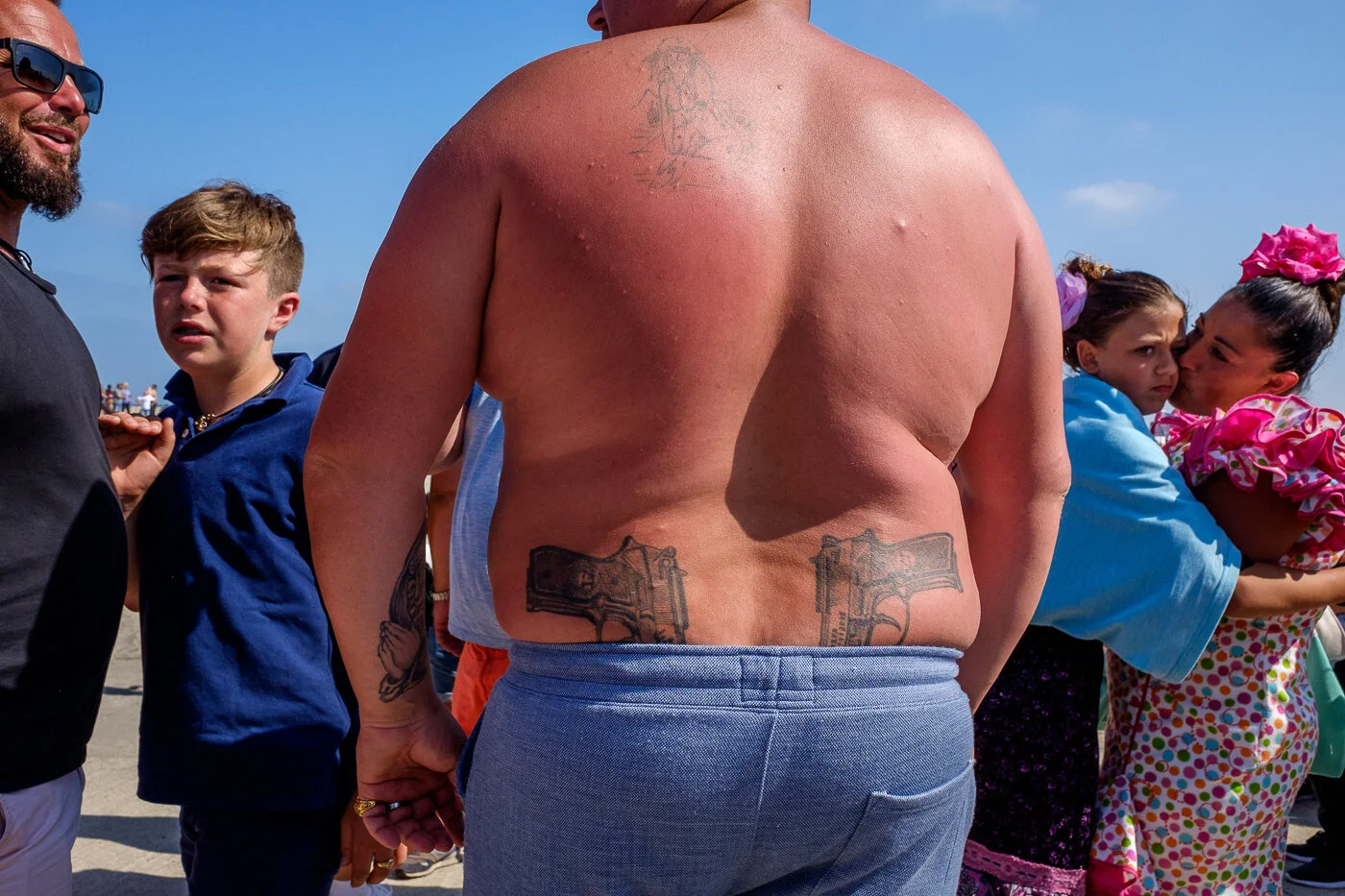
Saintes-Maries-de-la-Mer, 28mm photo shot with the Fujifilm X70
What 35mm Does to My Street Photographs
The 35mm feels cleaner to me. Truer to life. What I see through the viewfinder is close to what my eye actually perceives, which gives the photographs a different kind of honesty.
For me personally, the 35mm is the focal length I reach for when I want to make a photograph rather than take one. When I want to compose deliberately, move around a subject, find the right angle, wait for the geometry to align. It requires more patience precisely because it does not exaggerate. If the image is going to work, the elements have to genuinely work together. The focal length will not do the heavy lifting for you.
That is also, I think, why the 35mm tends to produce images that are more pleasing to my eye. There is a cleanliness to a well-made 35mm street photograph that I find difficult to achieve at 28mm, however dynamic the 28mm image might be. The rendering feels more classical. The proportions feel right. It is the focal length that produces the images I most want to print and hang on a wall.
It also pairs naturally, at least for me, with the Leica M rangefinder approach: slow down, pre-focus, wait, see the image before you shoot it.
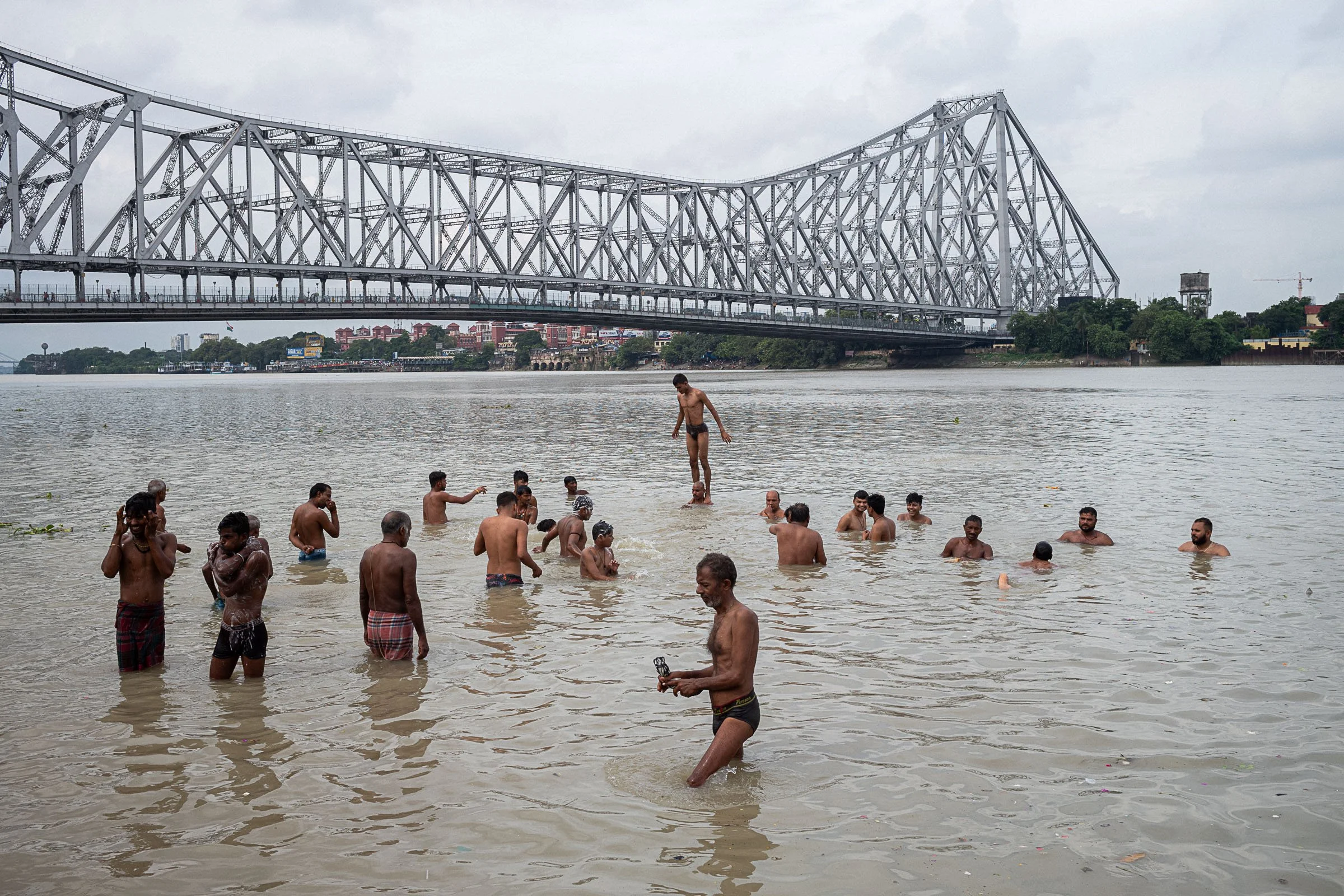
Kolkata, 35mm photo with the Leica M10
Two Different Photographers
Here is the most honest way I can describe my experience: the 28mm tends to turn me into a reactive photographer, and the 35mm tends to turn me into a deliberate one.
With a 28mm on the camera, I work faster. I point and shoot more instinctively. In India, this felt almost essential. The density of life on the street is such that stopping to compose carefully means missing everything. The 28mm let me stay in the flow.
With a 35mm, I slow down. I am pickier about the frame. I move around a scene more before committing to a shot. The 35mm makes me work harder and the images that come out of that process feel, to me, more considered.
You can absolutely shoot deliberately at 28mm. I have done it, and it works. But to really use what the 28mm offers, its dynamism and its closeness, I find I need to embrace the instinctive approach. When I try to be too careful with it, I feel like I am fighting the focal length.
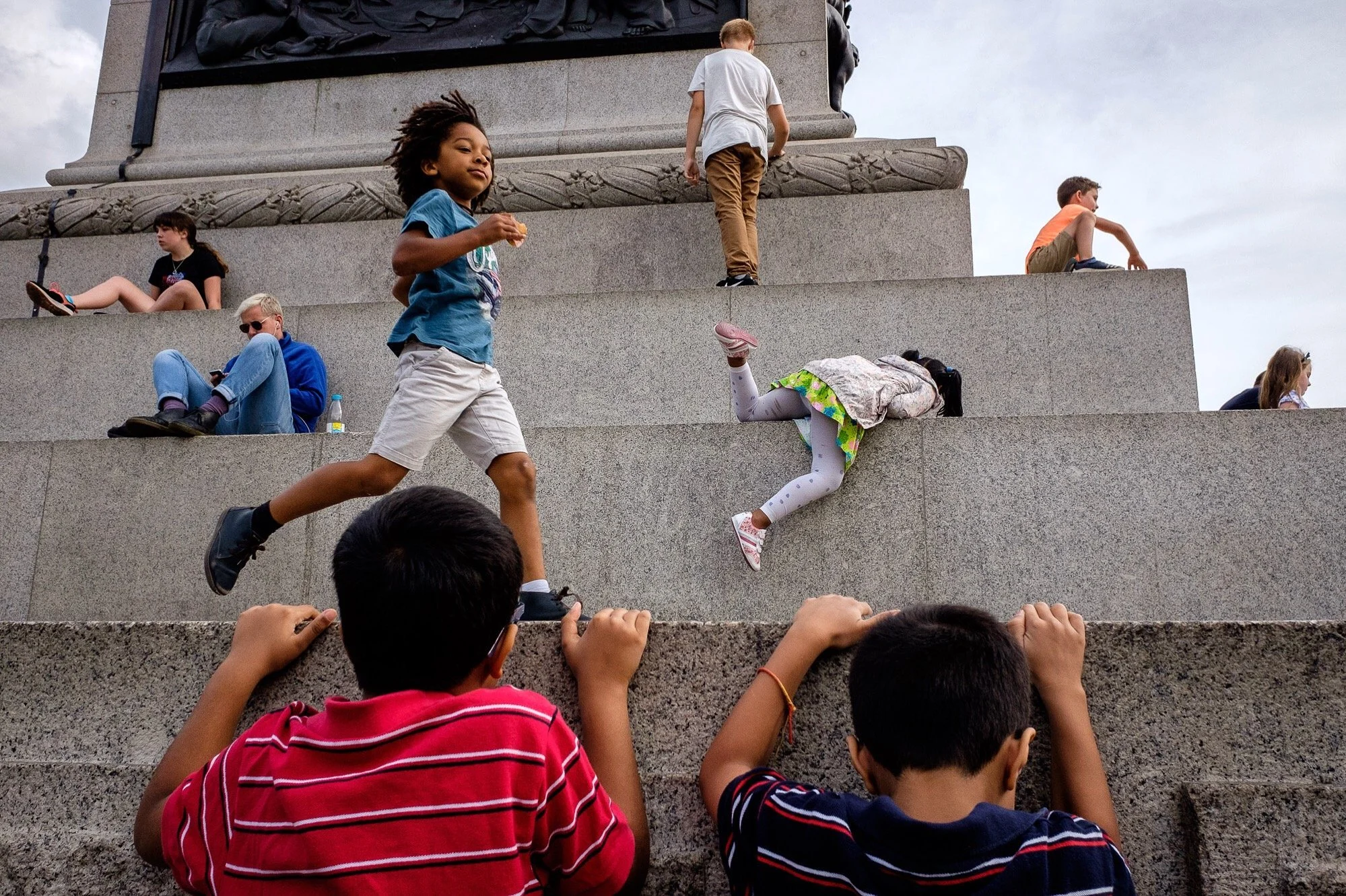
London, 28mm photo with the Fujifilm X70
How I Think About Which One to Use
After years of shooting with both, this is roughly how it works for me, though I am sure other photographers would draw the line differently.
I reach for 28mm in dense, chaotic environments where getting close is natural and the energy of the scene is what I am after. Markets, crowds, cities with a lot happening at once. The American Mirage series felt right for 28mm. The scale of American streets, the vastness of the intersections, needed a focal length that could convey both the presence of a person and the environment swallowing them.
I reach for 35mm when I want to make a more controlled image, when there is a specific piece of geometry I am trying to capture, when the light is doing something precise. The streets of Nice, with their layered shadows and their human-scale architecture, feel more naturally suited to 35mm for me.
But honestly, situations overlap. This is just a tendency, not a rule.
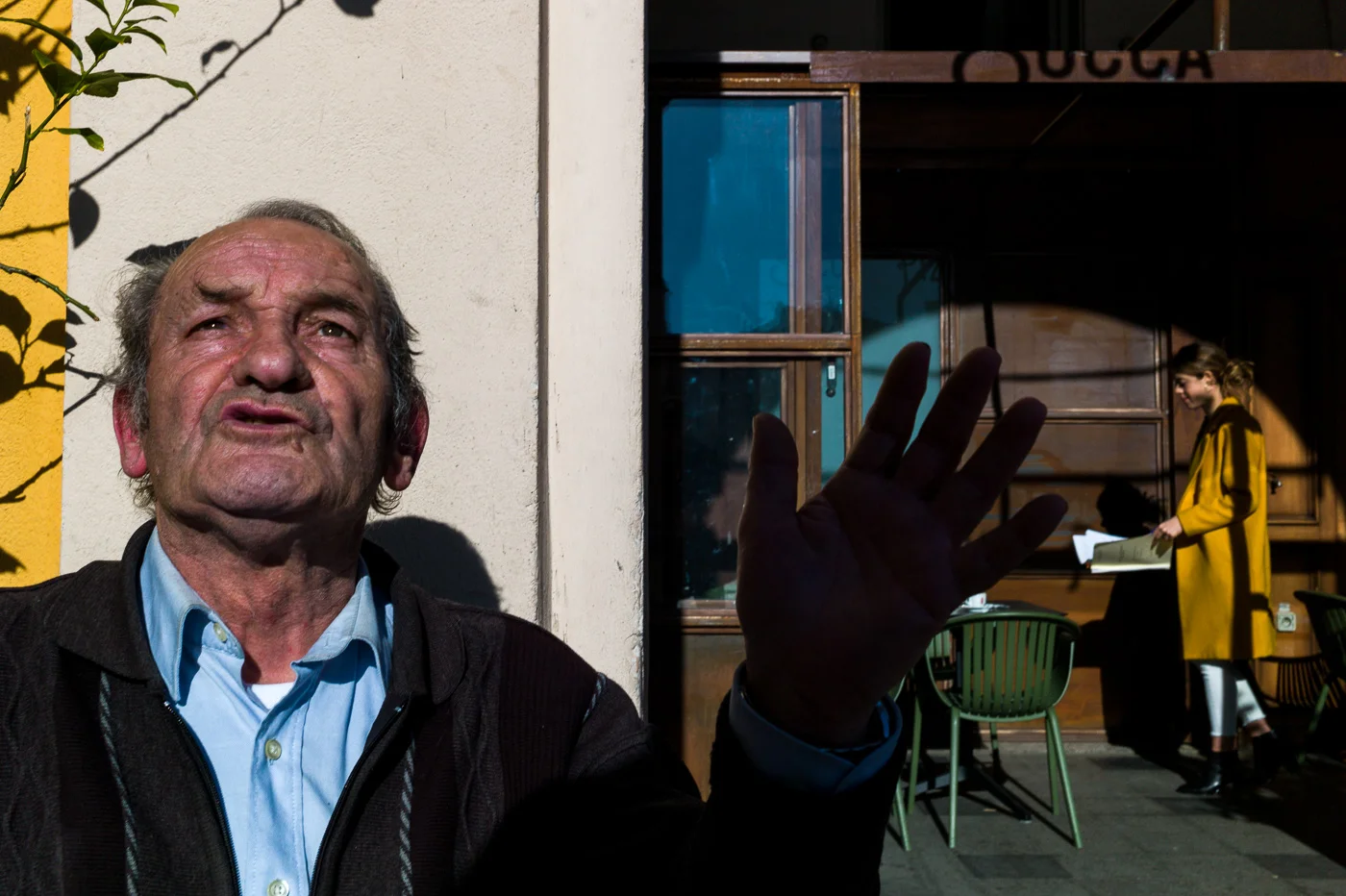
Nice, 35mm photo with the Leica M9
Which One to Start With
I am genuinely reluctant to be prescriptive here because I think focal length is deeply personal, and the best advice I ever received was to pick one and stick with it long enough to understand what it does, rather than switching constantly looking for the perfect choice.
If you are shooting with a Leica Q, a Ricoh GR II, a Ricoh GR III, or a Fujifilm X70, the decision is already made for you. You are working at 28mm. Learn to use it on its own terms rather than wishing it were something else. Get closer than feels comfortable. Embrace the slight distortion. Shoot faster than you think you need to.
If you are building a Leica M kit, you have the choice of both. The 28mm Elmarit or Summicron on a Leica M is a completely legitimate street photography setup, and some photographers never shoot anything else. For me personally, the 35mm is where I would start on the M, but that is just a preference, not a recommendation. The M with a 28mm mounted is a different beast from the Ricoh GR or the Leica Q at 28mm, partly because of the rangefinder experience, partly because of the rendering. Worth experimenting with if you have the chance.
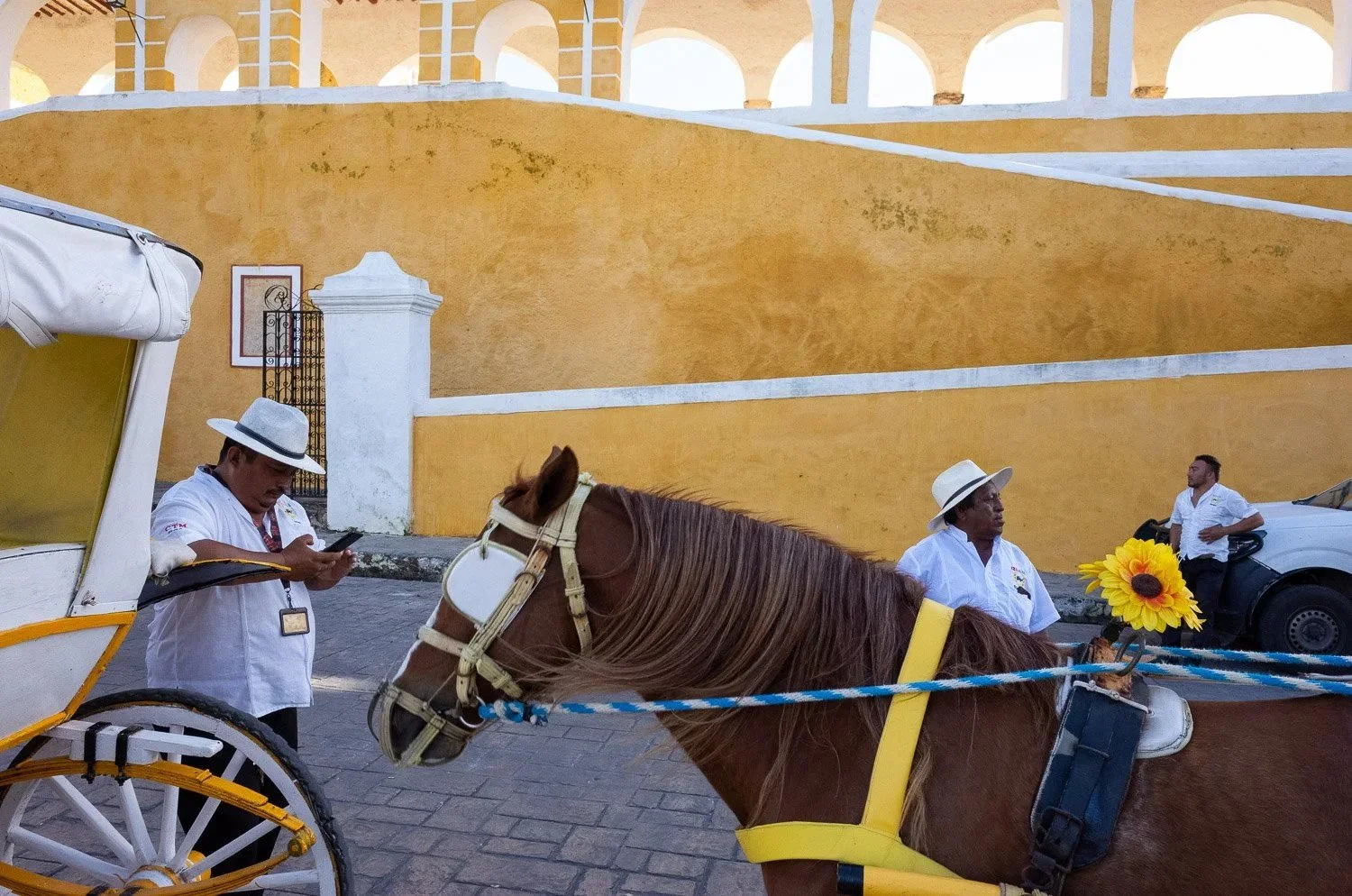
Izamal, 28mm photo with Ricoh GR ii
More on the 35mm
If you want to go deeper on the 35mm specifically, I wrote about my approach with it in more detail here: Street Photography with a 35mm Lens.
The Prints
Images from both approaches are available as fine art prints. The American Mirage series, shot at 28mm across Los Angeles, Las Vegas, San Diego and New York, is here: The American Mirage prints.
The Shade of the French Riviera, shot at 35mm on the streets of Nice and the Côte d'Azur, is here: French Riviera prints.